
The best multigenerational family vacation ideas give each generation its own space and pace, then bring everyone together for meals and one shared activity a day. A private estate suits two or three households that want separate bedrooms and one big table. An all-inclusive resort or a cruise suits families who want fixed costs and almost no planning. National parks and dude ranches suit active grandparents with school-age grandchildren, and a heritage trip suits a family with teens and a grandparent who has stories to tell.
The hard part is not finding a pretty place. It is finding one where a toddler’s nap, a teenager’s boredom and a grandfather’s sore knees all fit into the same week, and where one parent does not end up as the unpaid tour director. Budget adds another layer, because three households rarely agree on what a reasonable trip costs.
Below are ten trip types, each with real destinations, the age mix it fits best, and the cost and logistics to check before you book. The Sanctuary at Sacred Mesa, a luxury rental just outside Sedona, Arizona, comes first because family reunions are what it is suited to. The other nine are honest alternatives. A comparison table, budget advice and tips for keeping the week fun follow the list.
1. A private luxury estate near Sedona, Arizona
Why it works for three generations

The Sanctuary at Sacred Mesa gives every household a real bedroom and the whole group a place to gather. The house has five bedrooms plus a media room, with 3 king beds, 5 queen beds and 1 sleeper sofa, plus 4 full and 2 half bathrooms. The bathroom count matters more than most people expect, because the morning queue is where multigenerational trips first fray.
Shared time happens outside. The 45 foot infinity edge pool looks out over 180 degree red rock views, and the 8 person hot tub has its own observation deck. The pool is heated by solar year round and the hot tub is heated all year, so a winter visit still works. A 3,000+ square foot patio gives grandparents a quiet spot while the kids swim.
A big house works for three generations when every household gets a door to close and the whole group gets a place to gather.
Who it suits best
This is the pick for reunions, milestone birthdays and any group that wants privacy rather than a hotel lobby. The property sits on a large acreage, so noise is not a worry for the neighbors or for you. Each generation finds its own corner:
- Grandparents: a patio, the hot tub and long red rock views to sit with.
- Parents: a media room with three TVs, so a movie can run while the little ones go to bed.
- Teens and kids: a 1,500 square foot gym and game room in a converted garage, plus a 9 hole putting green.
Sedona itself is the base for red rock hikes and jeep tours, so you can add a guided outing for the whole group on one day and keep the rest slow.
Cost and logistics
Booking directly instead of through Airbnb and similar platforms saves guests money. Divide the nightly rate by the number of people, not households, and compare it with the cost of several hotel rooms plus restaurant meals.
The property is remote, 10.3 miles down a graded gravel road outside Sedona city limits. Shop for groceries before you head out, arrive in daylight, and carpool where you can. If anyone in your group has limited mobility, ask about steps and bedroom locations before you commit. The hosts, Robyn Benincasa and Jeff Akens, are retired San Diego firefighters who share the home with guests and can answer those questions.
The cancellation policy is simple:
- 100% refund when you cancel at least 60 days before arrival
- 50% refund when you cancel at least 30 days before arrival
- No refund within 30 days of arrival
2. An all-inclusive resort in Mexico or the Caribbean
Why it works for three generations
An all-inclusive ends the daily argument about who pays for what. Meals, most drinks and many activities sit in one upfront price per person, so grandparents never reach for the check and parents never tally snacks. A kids club gives parents adult time, and grandparents choose between joining in and reading by the pool.
Most resorts have several restaurants, so the early dinner crowd and the late one can both eat well. Look for family suites or connecting rooms and a kids club with posted hours and age ranges.
The real value of an all-inclusive is that nobody has to manage the money or the meals.
Who it suits best
It fits families with toddlers through tweens and grandparents who want a low-effort week. It also suits groups with uneven budgets, because the per-person price is visible before anyone commits. It fits less well if your family wants to explore local culture, since the resort pulls everyone into staying put.
Cost and logistics
Read what "all-inclusive" covers at the specific resort. Alcohol tiers, specialty restaurants, motorized water sports and tips are the usual exceptions. Check how long the airport transfer takes, because a 90 minute ride is hard on a three-year-old and a 78-year-old alike.
Atlantic hurricane season runs from June 1 to November 30, so consider travel insurance and flexible booking terms in those months. US citizens also need valid passports for the whole group, including infants. Plan on a week at most, since resort fatigue sets in faster than parents predict.
3. An ocean cruise
Why it works for three generations
A cruise ship is a floating resort that moves, so you unpack once and wake up somewhere new. Kids clubs and teen spaces keep younger travelers busy, while grandparents have classes, shows and quiet decks. Adults can drop in for a mixology class or a wine tasting without arranging anything.
Choose the line by the youngest traveler. Disney Cruise Line is hard to beat for young children. Royal Caribbean suits older children and teens, and its itineraries reach Alaska, the Mediterranean and the Norwegian fjords as well as the Caribbean.
On a cruise, the youngest passenger should choose the ship and the oldest should choose the cabin.
Who it suits best
Cruises suit the widest age range on this list, including teens who dislike resort quiet. They work well for groups of 6 to 12 that want to be together at dinner and apart during the day. They suit grandparents who enjoy company but not driving.
Cost and logistics
Fares are quoted per person, and the third and fourth guests in a cabin often pay less than the first two. Gratuities, drinks, Wi-Fi and shore excursions are usually extra, so build those into your estimate. Connecting staterooms sell out first, so book early.
Ask about accessible cabins, which are limited, and about tender ports, where a small boat carries you ashore and the step across can be hard for anyone unsteady. Pick one excursion per port instead of filling every day, and keep walking tours short.
4. A river cruise through Europe
Why it works for three generations
A river cruise moves you through several cities while you stay in one cabin, which solves the packing and transfer problem that sinks many European trips. Ships carry far fewer passengers than ocean liners and dock near town centers, so grandparents can step off and walk into a village without a bus.
River cruising used to be a retiree product, but family sailings now exist. Adventures by Disney, working with AMA Waterways, runs family itineraries on the Rhine, Danube, Rhone and Seine. For a first European trip with kids, the Seine is a strong choice, with Normandy, Paris and Monet’s Giverny in one itinerary.
A river cruise is the lowest-effort way to show three generations several European cities in one week.
Who it suits best
Pick this when grandparents have a Europe bucket list and the grandchildren are school-age or older. Teens tend to enjoy bike rides, food tours and the novelty of a ship that stops somewhere every day. Toddlers are a harder fit, because many river ships have few family cabins and some lines set minimum ages.
Cost and logistics
Expect a higher daily fare than an ocean cruise, though many river fares include shore excursions and wine with dinner. Confirm what yours includes. Family departures run mainly in summer and school holidays and sell out, and river cabins are smaller than ocean cabins, so ask early about connecting rooms.
Water levels can change an itinerary, so read the line’s policy on low and high water. Cobblestones and walking tours are the real physical demand, so ask for a slower walking group if a grandparent tires easily.
5. A national parks road trip
Why it works for three generations
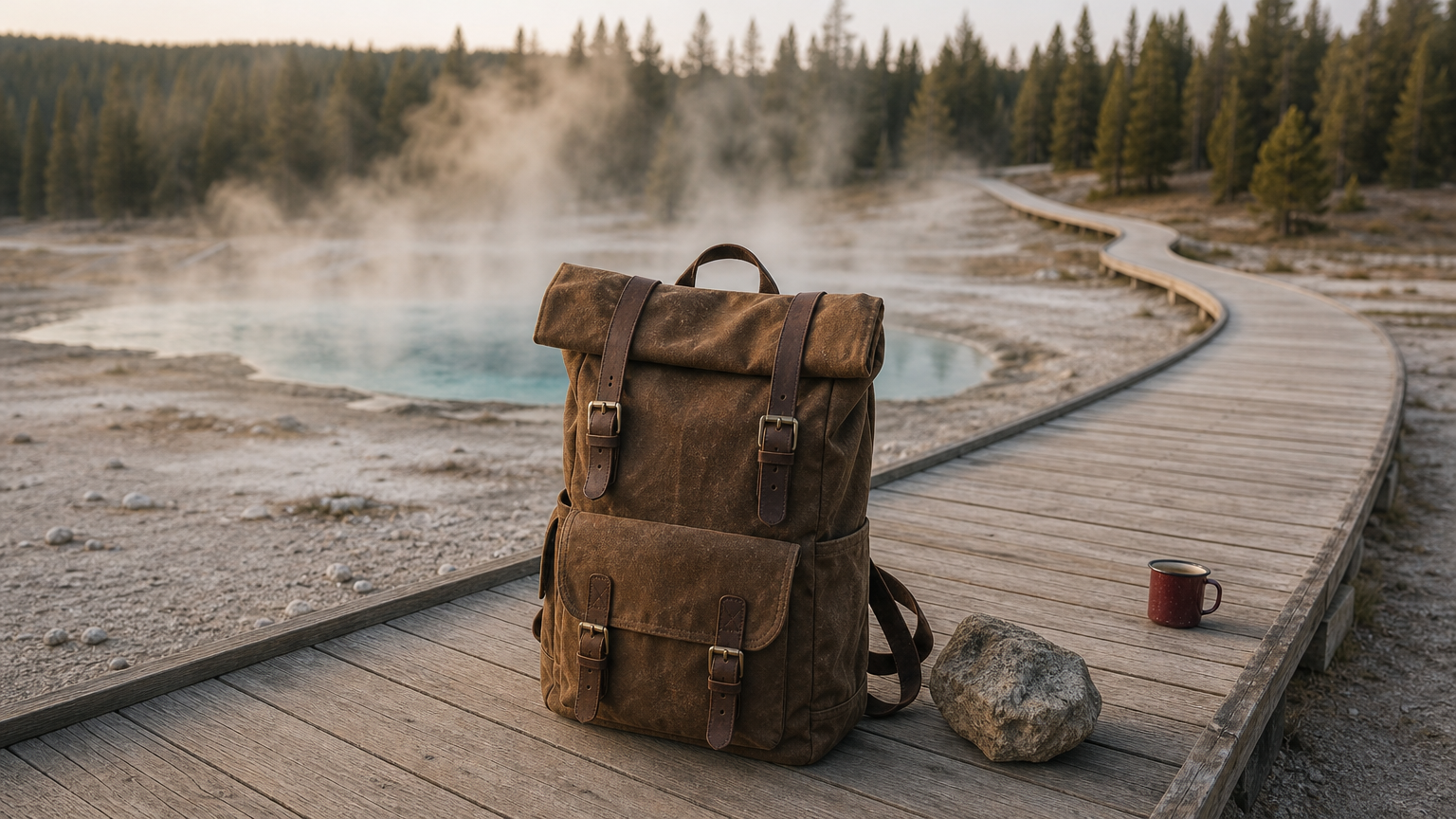
National parks give every age something to look at without a ticket line. At Yellowstone, boardwalks reach the geyser basins and Old Faithful erupts on a predictable schedule. Wildlife shows up from the car window, and kids can earn Junior Ranger badges. A well-worn route runs from Bozeman, Montana, through Yellowstone and Grand Teton to Jackson, Wyoming.
Glacier in Montana and Yosemite in California work the same way: a big view for the group, then hikes of different lengths for different legs. Pick one short flat walk and one longer hike per day, and let the group split without guilt.
National parks work for mixed ages because the scenery does the entertaining and the trail length is your choice.
Who it suits best
This suits school-age grandchildren, teens and active grandparents who tolerate long drives. It also suits families that value the outdoors over amenities. It is less suited to babies in the heat of summer or to anyone who cannot manage altitude. Parts of Yellowstone sit above 7,000 feet.
Cost and logistics
Parks are among the cheaper ways to take a big group, since an entrance fee covers a private vehicle. US residents age 62 and older can buy an America the Beautiful Senior Pass that covers entry for the holder and passengers at per-vehicle sites.
Lodging is the pinch. In-park lodges often book a year or more ahead, so reserve first and build the route around what you get. Gateway towns and a rented house cost less than lodges in July. Limit each base to two or three nights, since the drives between sights run long.
6. A dude ranch in the American West
Why it works for three generations
A dude ranch bundles lodging, meals and activities into one weekly package, so there is little to plan once you arrive. Riding is the centerpiece, and wranglers match each guest to a suitable horse, which means a first-time grandchild and a lifelong rider can share the same trail. Evenings bring campfires and cookouts that bring the group together.
Ranches also run kids programs, so parents can ride while children do crafts or fishing. Teens get the adventure side, with trail rides, rafting or ziplines, depending on the ranch. Grandparents can ride, fish, or sit on a porch and watch the sunset.
A dude ranch is the rare trip where a six-year-old and a seventy-six-year-old share the same activity and both feel challenged.
Who it suits best
It suits families with children old enough to ride or join a kids program and grandparents who want a quiet, scenic week. Wyoming, Montana and Arizona all have ranches, and Jackson Hole, Wyoming, is a popular base near Yellowstone and Grand Teton. It does not suit anyone who dislikes dust, early mornings or a fixed schedule.
Cost and logistics
Most ranches are all-inclusive, so a weekly package covers the bulk of your spending. Many run Saturday-to-Saturday stays in summer, so book the whole group the same week. Ask about minimum riding ages, rider weight limits and what happens if someone prefers not to ride, because some activities may cost extra.
Pack for sun, cool evenings and boots that fit. Ask whether the ranch can host a group privately, since several households make a lively dinner table.
7. A beach house or villa-style resort
Why it works for three generations
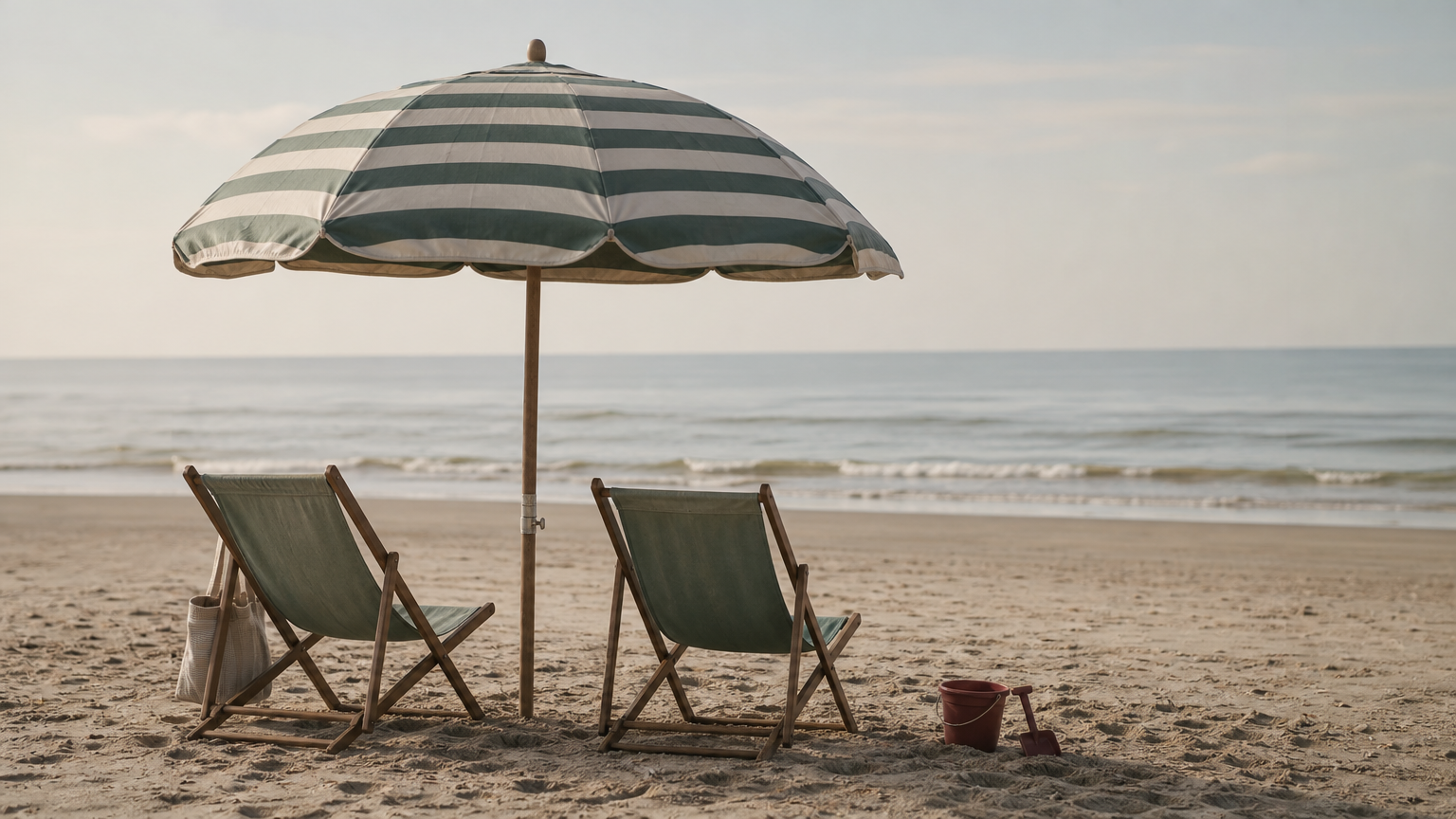
A beach week is the easiest multigenerational trip to run, since everyone already knows how to do it. Babies play in shallow water, kids dig, teens surf or paddle, and grandparents sit under an umbrella. Nobody has to be entertained because the ocean does it.
The catch is housework. A rental house can turn the week into laundry, cleaning and grocery runs for the same adults who need rest. Choose villa-style resort suites with housekeeping, or a rental with a cleaning service included, and let someone else wash the sandy toys.
A beach vacation only feels like a vacation for the parents when someone else handles the cleaning.
Who it suits best
This suits the broadest mix, including infants. Good US choices include Hilton Head Island in South Carolina, which also offers golf, spas and kids clubs and sits a short drive from Savannah. Gulf Shores in Alabama and the Outer Banks in North Carolina are other long-standing family beaches with plenty of rental homes.
Cost and logistics
A rental house splits well, because a large house costs far less per person than several hotel rooms. Add groceries, which are cheaper than restaurants three meals a day. Travel in early summer or early fall to avoid peak rates and the worst heat. Ask the rental company about the walk to the sand, since a long dune crossing is hard on walkers and strollers. Some beaches loan beach wheelchairs, so check before you go.
8. Orlando and the theme parks
Why it works for three generations
Orlando is built to handle every age at once. A single park offers gentle rides for toddlers, thrill rides for teens and shows, shade and slow rides for grandparents. Add resort pools, water parks and nearby attractions, and a week fills without anyone driving far.
The trick is pacing. Arrive at opening, leave for the pool or a nap by early afternoon, and return for the evening. Use rider swap so a parent can ride a big coaster while another adult stays with a child, then trade without queuing twice.
In a theme park, a midday break is not a lost hour. It is what keeps the youngest and oldest from melting down at 4 p.m.
Who it suits best
Choose Orlando for children between roughly 4 and 14, teens who love rides, and grandparents who want to share the magic. It suits families who like a packed agenda and plenty of food options. It is a poor fit for anyone who dislikes crowds, heat or lines, or who wants a restful week.
Cost and logistics
Tickets are the biggest line item. Multi-day tickets cost less per day than single days, and a rented house outside the parks can cost less than several hotel rooms. Avoid school holidays and peak summer, when crowds and prices both rise.
Parks rent wheelchairs and mobility scooters, and the major resort operators offer disability access programs, so ask at guest services before your first day. Plan three park days at most, then spend the others at the pool.
9. A heritage trip to Ireland, Italy or Greece
Why it works for three generations
A heritage trip gives the week a purpose. A grandparent who has talked for decades about the family village becomes the guide, and the grandchildren hear the stories at the place where they happened. That shared purpose gives a diverse group something in common beyond sightseeing.
Preparation makes it work. Gather names, dates and any documents before you leave. Ask an older relative to record a short interview. Then hire a local guide for the ancestral village, since local guides can often find church records, cemeteries or relatives that a tourist cannot.
A heritage trip turns a sightseeing week into a family story that the grandchildren will retell.
Who it suits best
This suits teens and older grandchildren, plus grandparents with a connection to the place. Ireland is easy for children of any age. Italy rewards waiting until the kids are older, since museums and long meals ask more patience. Greece suits families whose grandparent has long wished to see the homeland. Pick the country that matches your family’s roots, not the one that looks best on social media.
Cost and logistics
Flights are usually the biggest cost, so book early and compare nearby airports. Travel in spring or fall for cooler weather and lower prices. Build in a free afternoon for every full day, since emotional trips tire older relatives faster than expected.
Check passport validity for everyone. In Ireland, remember that cars drive on the left and rural roads are narrow, so a private driver may beat a rental for a nervous group. Italy and Greece have hilly towns with stairs, so ask lodgings about elevators.
10. A guided tour or custom package
Why it works for three generations
A guided tour or custom package hands the logistics to someone who has done it before. A good operator arranges car seats, transfers and private guides who know how to talk to a six-year-old and a seventy-nine-year-old in the same breath. That is hard to do alone, especially in a far-flung destination.
This is also how many families reach places such as East Africa, the Galápagos or Costa Rica. One family of 13, ages 6 to 74, took a Kenya safari with four households. The operator coordinated everything, including a local school game day. Packages shine when the plan has many moving parts.
The more complicated the destination, the more a good planner is worth.
Who it suits best
It suits groups traveling to remote or unfamiliar places, families with several households flying from different cities, and anyone short on planning time. It suits milestone trips, like a 50th anniversary with children and grandchildren. It is less necessary for a drive-to cabin or beach house, where you can plan everything yourself.
Cost and logistics
Expect the highest cost per person on this list, but also the least stress. Compare a tour operator with family departures against a travel advisor who builds a custom itinerary. Ask upfront whether the advisor charges a planning fee or is paid by suppliers, and what the quote includes.
Ask how the operator handles mobility needs, children’s ages and a group split into breakout days. Buy travel insurance with medical coverage, since a hospital abroad is the worst place to learn you lack it.
How to plan a multigenerational vacation that stays fun and affordable
Match the idea to your group
Start with the least mobile and the youngest traveler, then choose the trip around them. This table compares the ten ideas so you can narrow the list in a few minutes.
| Idea | Best age mix | Planning effort | How you pay |
|---|---|---|---|
| Private estate near Sedona | Teens to grandparents, two or more households | Medium | Split one nightly rate by person |
| All-inclusive resort | Young kids plus grandparents | Low | One upfront price per person |
| Ocean cruise | All ages, including teens | Low | Per-person fare plus extras |
| River cruise | School-age kids and up | Low | Per-person fare, more included |
| National parks road trip | School-age kids, active grandparents | High | Lodging plus driving costs |
| Dude ranch | Kids who can ride or join programs | Low | Weekly package |
| Beach house or villa | All ages, including babies | Medium | Split the rental, cook some meals |
| Orlando theme parks | Kids and teens | Medium | Tickets are the biggest cost |
| Heritage trip | Teens and a storytelling grandparent | High | Flights are the biggest cost |
| Guided tour or package | Any, especially far destinations | Low | Highest per person |
Before you commit, ask each household about mobility, medical needs, naps and dietary limits. One person’s discomfort affects the whole group, so list needs first and destinations second.
Keep it affordable without shrinking the trip
The cheapest multigenerational vacation is usually the one you can drive to, with a place that lets you share meals. Split costs by person, not household. A $3,000 nightly rate shared by 12 people is $250 each per night, and by 8 people it is $375. That is an illustration of the arithmetic, not a quote, so always check the real rate and the occupancy limit.
A few habits lower the total:
- Travel in shoulder season, when rates drop and crowds thin
- Pick a drive-to destination and skip flights for a long weekend
- Book direct when a property offers it, since platform fees add up
- Cook some meals and plan one restaurant dinner for the group
- Agree on the budget and the split before booking, not after
Make the days fun for every age
Give each generation one pick. Let the grandparents choose a day, the teens choose a day and the little ones choose a day. Keep one shared meal and one shared activity daily, and leave the rest open.
Build breakout groups, such as a grandparent with a grandchild on a short walk while parents rest. Never force anyone into an activity, and schedule real downtime for naps and quiet. If the trip goes well, repeat it. Returning to the same place every year turns one vacation into a family tradition.
Picking the trip that fits your family
The right multigenerational trip is the one where each generation has its own space and pace, and the whole group still shares a table. For many families that means a private home with enough bedrooms and a pool, while others do better with a ship, a resort or a ranch. Start with the youngest and the least mobile traveler, check what the price includes, and split costs by person.
If red rock views, a heated pool and a house big enough for everyone sound right, take a look at booking directly at The Sanctuary at Sacred Mesa. You can see the rooms and amenities, then ask the hosts anything about your group before you decide.