
The right rental house for a party is one that allows events in writing, fits your guest count, and still fits your budget after fees and tax. If your group wants to celebrate and sleep over, a private luxury estate like The Sanctuary at Sacred Mesa suits you best. For a few daytime hours, an hourly home or event space costs less. For a small, low-key gathering on a tight budget, a friend’s house is hard to beat.
The hard part is that listings rarely spell out the rules. A house that sleeps twelve may cap visitors at twelve. Airbnb bans parties, and hosts on other sites set their own limits. Hidden fees, noise curfews and cancellation terms often decide whether a booking works at all.
This guide compares seven ways to get a house or house-like space for a party, and for each one it covers how it works, who it suits, and what it costs. We run The Sanctuary at Sacred Mesa near Sedona, Arizona, so it comes first, but the other six get the same honest treatment. A cost comparison and a rules checklist follow the list.
1. The Sanctuary at Sacred Mesa
How it works
The Sanctuary at Sacred Mesa is a private luxury estate just outside Sedona, and you book the whole property directly on the website. No platform sits in between, and booking direct saves guests money compared with Airbnb and similar sites. The house has five bedrooms plus a media room, 3 king beds, 5 queen beds and 1 sleeper sofa, four full bathrooms and two half bathrooms.

Outside is where the party happens. A 45-foot infinity edge pool faces 180-degree red rock views, and an 8-person hot tub with an observation deck sits beside it. Towels are provided. The pool is solar heated year round and the jacuzzi is heated all year. A 3,000+ square foot patio, a 1,500 square foot gym and game room in a converted garage, a 9-hole putting green, and a media room with three TVs give guests places to spread out.
A private estate turns a party into a weekend, because your guests sleep where they celebrate.
Who it suits
It suits groups that want to celebrate and stay together. The property is listed for family reunions, celebrations, romantic getaways and gatherings with friends or colleagues. With nine beds and a footprint of over 10,000 square feet, a multi-generational group gets room without crowding.
It is the wrong fit if you want a big daytime crowd that goes home at night, or a venue near restaurants. Hosts Robyn Benincasa and Jeff Akens, retired San Diego firefighters, share the home with guests. You can ask them about your plans before you commit.
Cost and rules
Nightly rates are on the booking page, so check your dates there instead of relying on a number in an article. Cancellation is tiered. You get a 100% refund when you cancel at least 60 days before arrival, 50% at least 30 days before, and no refund inside 30 days. For a party with a long guest list, that 60-day line matters.
Location needs planning too. The house sits outside the Sedona city limits and is 10.3 miles down a graded gravel road, so caterers, rideshares and late arrivals take longer than they would in town. Confirm your guest count and any event rules by calling 623-252-8497 or emailing info@thesanctuaryatsacredmesa.com before you book.
2. Vacation rentals with an events-allowed rule
How it works
Whole-home rental sites let each owner decide whether events are allowed, and the answer lives in the House Rules and Important Information sections of the listing. Vrbo’s own guidance tells renters that some owners allow events, that you must follow the house rules, and that unauthorized house parties are not tolerated.
To find a house near you, search the town you want and filter by bedroom count first, since a party house needs space above all. Then read the rules on each listing and message the owner with your date, headcount and type of event before you pay. Keep the reply in writing.
A photo of a big deck is not permission to host; the owner’s written yes is.
Who it suits
These homes suit parties with overnight guests, such as a reunion, a milestone birthday or a holiday gathering of 10 to 30 people. You get bedrooms, a kitchen and a yard in one booking. If most guests will drive home at night, you are paying for beds you don’t need, and an hourly rental will cost less.
Watch two numbers on every listing. One is the maximum overnight occupancy. Many owners also set a separate cap on day visitors, and some allow none beyond the sleeping count. Ask which number your party counts toward.
Cost and rules
Expect the nightly rate plus a cleaning fee, service fees and lodging taxes. Weekends and holidays often carry two- or three-night minimums. Some owners add an event fee or a per-guest charge above a set headcount, and most hold a refundable damage deposit.
Quiet hours, music limits, parking caps and outdoor cutoff times are usually spelled out in the House Rules. Around Sedona, which is a certified dark sky community, expect firm rules on late outdoor noise and bright lighting. Read those lines closely before you invite thirty people.
3. Hourly private homes on venue marketplaces
How it works
Hourly marketplaces let hosts list homes, lofts and studios for short bookings. You pick a date, see the hourly rate and minimum hours, and book instantly or send a request. Minimums on listings commonly run from one hour to six, so a party that needs setup and cleanup time has to pay for the whole window.
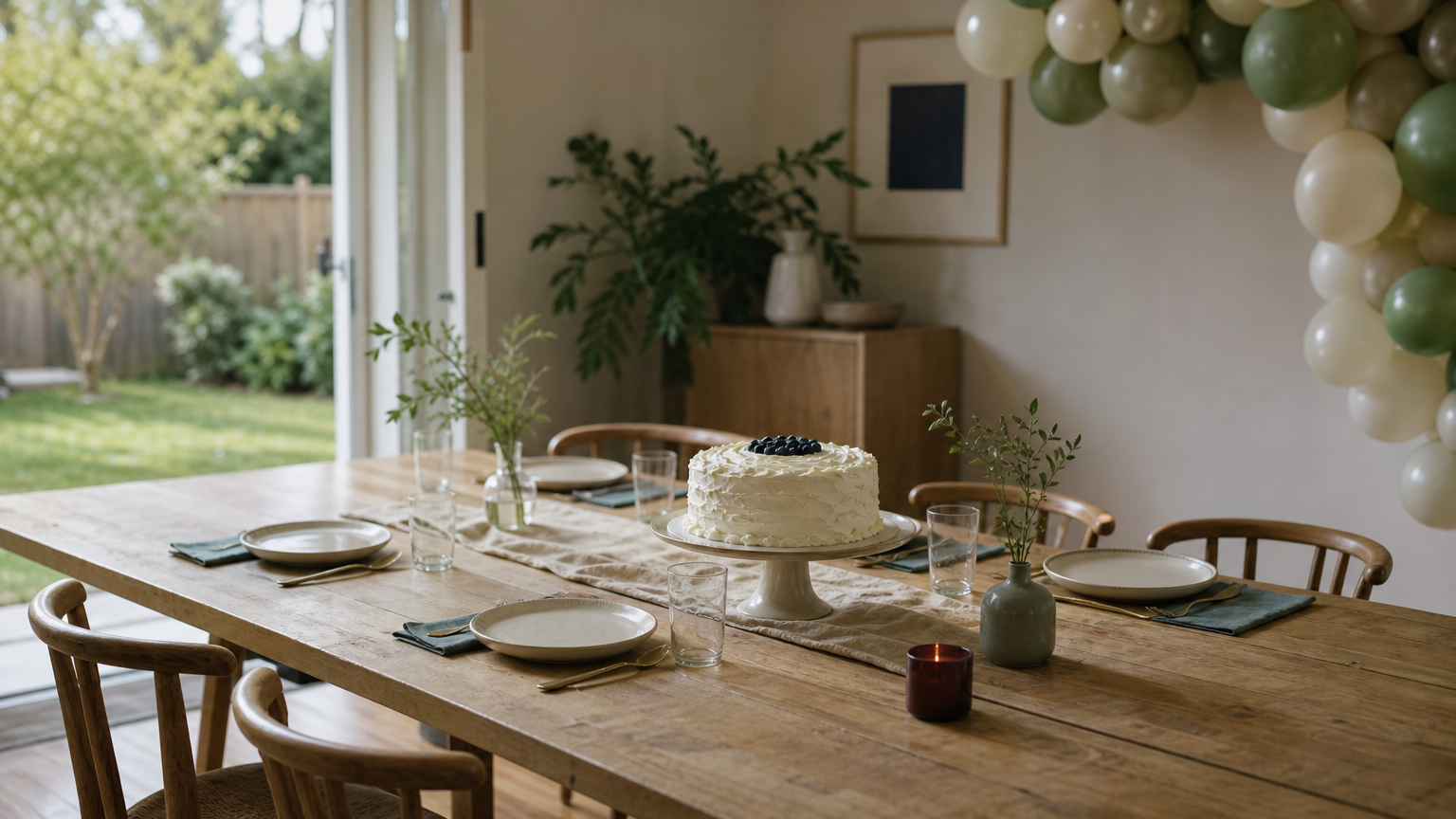
Protection varies by platform. Some require renters to carry liability insurance, and some sell optional damage protection at checkout. Read that part before you book, because a requirement can add cost and paperwork.
With hourly rentals, the minimum-hours line decides your real price, not the headline rate.
Who it suits
Daytime and early-evening parties fit best: baby showers, birthdays, graduation lunches, retirement send-offs and watch parties. Guest counts on listings often run from about 15 to 60. Guests leave when the booking ends, so the price follows your clock, not your calendar.
Out-of-town guests who need beds are the main gap. Late-night parties are another, because hosts set end times and many stop music in the evening.
Cost and rules
Rates swing widely by market and by space, from tens of dollars an hour for a modest home to several hundred for a large or central one. A booking fee, sales tax and cleaning charge can sit on top of the listed rate. Some hosts raise the price as your guest count climbs.
Ask four questions before paying: how many guests the rate covers, when music must stop, whether outside caterers are allowed, and who handles cleanup. The cost section below runs a full example.
4. Pool and backyard rentals by the hour
How it works
Pool-rental apps let homeowners rent a pool and yard by the hour. You book a window, arrive, and use the outdoor space plus whatever the host lists, such as restroom access or seating. Hosts set their own limits on guest numbers, glass, alcohol and music.
No lifeguard comes with the booking. Supervising children is your job, so plan adult-to-child coverage the way you would at a public pool.
Who it suits
Kids’ birthdays and summer afternoons are the sweet spot, along with small groups who want water and sun without paying for a whole house. Desert heat makes a pool party easy to sell in the warm months. Ask about shade, because a pool with no cover gets uncomfortable by midafternoon.
A pool rental sells you a backyard, so ask about shade, restrooms and guest caps before you pick one.
Skip this option for winter evenings unless the listing says the pool is heated. Many backyard pools are not. Also confirm that guests can use a bathroom without walking through the house.
Cost and rules
Pool rentals are often the cheapest hourly option, since you rent outdoor space instead of a furnished interior. Pricing is per hour, often with a per-guest cap and a charge for extra swimmers. A booking fee may apply.
Read the host’s rules on glass bottles, alcohol, food near the water, and quiet hours. Ask whether the host’s insurance covers a party, and whether you must sign a waiver. Hosts differ on both.
5. Airbnb-style homes for small gatherings
How it works
Airbnb prohibits parties and open-invite events at its listings, so a standard Airbnb stay is not a rental house for a party. What it does allow, when the host agrees, is a quiet get-together within the listed guest count. Breaking the rule can lead to penalties on your account.
The workable approach is to message the host first with your plan, such as "a dinner for eight, ending by 9 p.m.," and get approval in writing. Never book a house for four and bring twenty.
On Airbnb, a gathering needs the host’s approval and a party is simply not allowed.
Who it suits
It suits couples and small groups who want a rented home as the setting for a quiet dinner, a small celebration or a reunion of a few families. It does not suit anyone planning music, a DJ, decorations beyond the dining table, or invited guests beyond the listed occupancy.
If you need a real party, move to options 2, 3 or 1. Choosing a platform that bans the thing you plan to do wastes money and can leave you without a home at check-in.
Cost and rules
Pricing is the nightly rate plus a cleaning fee, service fee and taxes. Some hosts add a per-guest fee above a base headcount. Direct-booking sites that skip the platform can come in cheaper, which is why many large-home owners also take reservations on their own websites.
Keep three rules in mind: stay under the listed guest count, keep noise down after the host’s quiet hours, and don’t advertise the event publicly. If a neighbor complains, the listing is the first place they look.
6. Event studios, lofts and private rooms
How it works
Commercial spaces such as event studios, lofts, galleries, bars and restaurant rooms rent by the hour, usually with a minimum booking of two to four hours. They come set up for groups, often with tables, chairs, a kitchen or bar, speakers and a screen. That setup is what you pay for.
Ask what is included. Some spaces provide tables and cleanup, and others leave setup, trash and breakdown to you. A cheap hourly rate with a long list of extras stops being cheap.
Who it suits
These spaces suit parties of 30 to 100 guests, especially bridal and baby showers, birthdays, networking nights and holiday gatherings. They also suit hosts who don’t want strangers walking through a private home.
A studio or private room trades homey comfort for built-in infrastructure and a bigger guest list.
You give up the house feel. If your party is a sit-down family dinner, a home setting works better than a loft with a bar in the middle.
Cost and rules
Hourly rates run from about the cost of a large home to well above it, depending on location and size. Some venues require you to buy drinks from their bar, so ask whether outside alcohol and catering are allowed. A venue with a bar may also close at a set hour.
Confirm the capacity in writing, because commercial spaces follow occupancy limits. Ask about parking, load-in time, decoration rules (tape and nails are often banned), and the cancellation window.
7. A friend’s or family member’s house
How it works
Borrowing a house costs the least and carries the fewest surprises. You agree on a date, a guest count and who handles cleanup. Nothing changes hands except maybe a thank-you gift or a contribution toward cleaning.
Put the details in a text or email so everyone remembers them the same way. Include arrival and end times, parking, and which rooms are off limits.
Who it suits
It suits small gatherings of up to about 15 people, such as birthdays, baby showers, and holiday dinners. It also suits anyone asking for the cheapest place to have a party.
The cheapest rental house for a party is the one you don’t pay for, as long as the owner truly says yes.
If no house is available, check your city’s parks and community centers. Many rent pavilions or meeting rooms to residents, and the fees and rules vary by town. Confirm on your local government’s website.
Cost and rules
The money cost is close to zero, but the social cost is real. You are responsible for the mess, the noise and any damage. Offer to pay for professional cleaning and replace anything that breaks.
Check with the owner about neighbors, HOA rules, and whether their insurance covers a party. A homeowner’s policy can be affected by large gatherings, and the owner should know that before you start. Keep the guest count where they agreed to, and end on time.
How the seven options compare on cost
Pricing at a glance
The seven options split into two pricing models: nightly rates for overnight stays and hourly rates for daytime parties. The table shows how you pay for each and what usually lands on top.
| Option | How you pay | Common extras | Best for |
|---|---|---|---|
| 1. Luxury estate booked direct | Nightly rate | See the booking page for fees and taxes | Overnight group celebrations |
| 2. Vacation rental with events rule | Nightly rate | Cleaning, service fees, taxes, event or extra-guest fee, deposit | 10 to 30 guests, overnight |
| 3. Hourly private home | Hourly rate times minimum hours | Booking fee, tax, cleaning, insurance | Daytime parties, 15 to 60 guests |
| 4. Pool by the hour | Hourly rate | Extra-guest charge, booking fee | Kids’ parties, summer afternoons |
| 5. Airbnb-style home | Nightly rate | Cleaning, service fee, taxes, extra-guest fee | Quiet dinners only |
| 6. Event studio or private room | Hourly rate with minimum | Required bar or catering, cleanup | 30 to 100 guests |
| 7. Friend’s or family house | Free or cleaning contribution | Supplies, cleanup | Up to about 15 guests |
Compare options within the same pricing model first. An hourly rate says nothing about beds, and a nightly rate says nothing about how long your party can run.
A worked example for 24 guests
These numbers are placeholders to show the math, not quotes. Say you plan a four-hour Saturday afternoon party for 24 guests at an hourly home. The rate is $175 an hour, so $175 × 4 = $700. Add a $100 cleaning charge and $100 for booking fee and tax, and the total is $900. That works out to $37.50 per guest, with no lodging included.
Now say 14 adults want a two-night weekend at a large home that costs $1,800 a night. The rate is $3,600 for two nights. Add $300 for cleaning and $400 for fees and taxes, and the total is $4,300, or about $307 per person. That covers two nights of beds and the party. Per person per night, it comes to about $154 ($4,300 ÷ 28). The right comparison depends on whether your guests need a place to sleep.
Divide the total by guests and by nights before you compare, because an hourly party and a weekend stay are different purchases.
Ways to lower the total
Cheap does not mean a worse party. These moves cut the bill on most options:
- Book a weekday or an off-peak date, because many hosts discount them.
- Shorten the window to the minimum and put setup time inside it.
- Split a nightly rate across paying guests instead of covering it yourself.
- Book direct with the owner when a property takes direct reservations, since you skip platform fees.
- Skip extras you can handle, such as invitations, party favors and photography. Ask friends to help.
- Ask for a quote that lists every fee before you pay a deposit.
Rules to check before you book a party house
Confirm in writing that events are allowed
Get a written yes that names your event type and your guest count. A listing that says "gatherings welcome" does not clear a party. Save the message with the date, because it is your proof if a dispute starts.
Ask whether the permission covers day guests as well as overnight guests, and whether hired help such as a DJ or caterer needs separate approval. Some owners also want to know if you will charge admission or sell anything, which changes the rules entirely.
Guest caps, noise and local limits
Every house has a headcount cap, and exceeding it is the fastest way to lose a deposit. Add up everyone, including children and vendors. Then check quiet hours, which many hosts set around 10 p.m., and any limit on outdoor music.
Local rules apply on top of the house rules. Noise ordinances are common, and fire restrictions in dry months can ban fireworks, open flames and even some grills. In dry desert country, ask the owner what is currently allowed before you plan a fire pit or sparklers.
The owner’s house rules are only the first layer, because local noise and fire rules apply to your party too.
Insurance, deposits and cancellation terms
Ask what the security deposit is, when it is refunded, and what it covers. Ask whether the rental needs proof of liability insurance, and whether optional damage protection is offered. If alcohol will be served, ask what the owner expects.
Then compare cancellation terms. Look for tiers like the one in option 1: a full refund far out, a partial refund closer in, and none near the date. A party with a long guest list is hard to move, so a stricter policy deserves a lower price or a second look.
Can you rent out your own house for parties?
Sometimes, but it is different from hosting a family party at home. Renting a house for events can trigger short-term rental or business licensing, zoning rules, tax collection and insurance questions. Arizona cities and towns can require short-term rental licenses and enforce noise and nuisance rules, and other places have their own versions.
Before you list a home, check your city or county rules, your HOA documents, and your insurance policy. A standard homeowner’s policy may not cover paid use. Call your insurer and your local planning office, and get the answers in writing.
Pick the house, then confirm the rules
Choose the option by how long your guests stay. Pick an estate or a vacation rental for overnight groups, an hourly home, pool or studio for daytime parties, and a friend’s house for something small and cheap. Skip Airbnb for a real party. Whatever you choose, get the event permission, guest cap and refund terms in writing.
If your group wants to celebrate and stay together in red rock country, check availability at The Sanctuary at Sacred Mesa and book direct. Call or email the hosts with your guest count first, so you know the plan works before you pay.