
The best party house rentals match your guest count, your budget model and the host’s rules. A luxury estate with a pool suits a multi-day celebration for a big group that needs beds. An hourly backyard or townhome suits a small afternoon party, and a restaurant private room suits a dinner where food is part of the price. A city recreation center suits a child’s birthday on a tight budget.
The trouble is that one search returns everything at once: marketplaces, vacation homes, event halls and listings priced per hour, per night or per event. Those prices are hard to compare. House rules about guest limits, music and alcohol can sink a plan after you have already paid a deposit.
This guide walks through seven types of rental, with how booking works, what each costs, which rules to check and who each suits. After that, you get a table for comparing quotes, a worked cost example and a message to send hosts. The Sanctuary at Sacred Mesa, a luxury estate outside Sedona, Arizona, comes first because we know it best. The other six types apply wherever you live.
1. Luxury vacation estate booked direct
A luxury estate is the right pick when your party is also a stay, with guests sleeping on site for a night or more. The Sanctuary at Sacred Mesa is one example, a private property just outside Sedona with 180-degree red rock views.

How it works
You book the whole property directly through the website, so nobody drives home after the party. The house has five bedrooms plus a media room, with three king beds, five queen beds and a sleeper sofa. It has four full bathrooms and two half bathrooms. The footprint is over 10,000 square feet, with 4,205 square feet of living space.
The entertainment is built in, so you do not rent extras. Here is what your group gets:
- A 45-foot infinity edge pool, heated by solar year round, with towels provided
- An 8-person hot tub with an observation deck, heated all year
- A 3,000+ square foot patio and deck with 180-degree red rock views
- A 1,500 square foot gym and game room in a converted garage
- A 9-hole putting green
- A media room with three TVs
Pricing and house rules
This type is priced by the stay, not by the hour. Compare it as a cost per guest per night, not against an hourly venue rate. Booking direct skips the platform, and it costs guests less than booking through Airbnb or other platforms. Current rates and open dates are on the website.
The cancellation policy is simple:
- 100% refund when you cancel at least 60 days before arrival
- 50% refund when you cancel at least 30 days before arrival
- No refund inside 30 days
The property sits 10.3 miles down a graded gravel road, so tell caterers, rental companies and drivers early. Before you book, confirm guest limits and celebration rules with the hosts at 623-252-8497 or info@thesanctuaryatsacredmesa.com.
A party that includes lodging is cheaper to judge per guest and per night than per hour.
Who it suits
Family reunions, milestone birthdays and friend or colleague retreats fit well, because everyone shares the pool, the games and the views. Couples planning a scenic getaway use it the same way.
Skip it for a four-hour party for 40 people near town. The remote setting is the appeal, and it adds travel time for guests who only come for an evening.
2. Vacation rentals that allow events
A vacation rental that allows events is the closest match to renting a normal house for a party. The home is yours for the booked dates, but only if the host has said events are permitted.
How it works
Search the usual vacation rental sites and read each listing’s house rules and important information sections. Many hosts ban parties outright, and the platforms do not tolerate unauthorized ones. Hosting a party the host did not approve can cost you the booking and your deposit.
Message the host with your guest count and event type before you pay. A written yes protects you if a neighbor complains.
Pricing and house rules
Expect a nightly rate plus fees: cleaning, a platform service fee, taxes and sometimes a damage deposit or event fee. A large home can run from a few hundred to several thousand dollars a night, depending on size, season and location. Check these rules in the listing:
- Whether events are allowed, and the cap on guests, including day visitors
- Quiet hours and rules on amplified music
- Pool and hot tub hours and any waiver
- Parking limits, which matter more than most people expect
- HOA or local short-term rental rules the host must follow
If the listing does not say events are allowed, assume they are not and ask in writing.
Who it suits
This works for weekend gatherings where guests stay over, such as reunions, birthdays and friend trips. You get a kitchen, bedrooms and a yard without paying hourly.
It is a poor fit for a loud party with a DJ. Most hosts of ordinary vacation homes put limits on noise and guest counts that a big party will test.
3. Hourly marketplace homes and studios
Hourly marketplaces list private homes, lofts, studios, rooftops and small venues that you rent by the hour. This is the nearest thing to an app like Airbnb built for parties, and it is the best type for a daytime or evening event with no overnight stay.
How it works
You search your city, filter by guest capacity and hourly price, then request or instantly book a slot. Chat with the host before paying to confirm the space fits your plan. Homeowners can list their own houses on these sites, though local short-term rental rules and insurance apply to them.
Setup and cleanup count as booked hours on most listings. A four-hour party usually means booking five or six.
Pricing and house rules
Rates vary widely by city. Small studios and townhomes often start around $30 to $100 an hour, while large halls and rooftops can run several hundred. Some sites price by group size tiers, so each added guest raises the rate. Rules to check:
- Maximum guests and whether children count
- Alcohol, music cutoff time and neighbor limits
- Whether setup and teardown time are included
- Insurance: some marketplaces require renters to carry liability coverage, and an optional damage protection plan may be offered at checkout
- Decoration limits, such as no tape, confetti or open flames
On an hourly listing, the rate is only the start, because setup, cleanup and fees decide the real price.
Who it suits
Parties of roughly 15 to 80 guests fit best, such as birthdays, showers, graduations and team celebrations. The range of spaces is the draw, from art galleries to dance studios.
It does not suit overnight guests or a party that needs a full catering kitchen. Check what the kitchen includes before you assume it is usable.
4. Backyard, pool and hot tub rentals
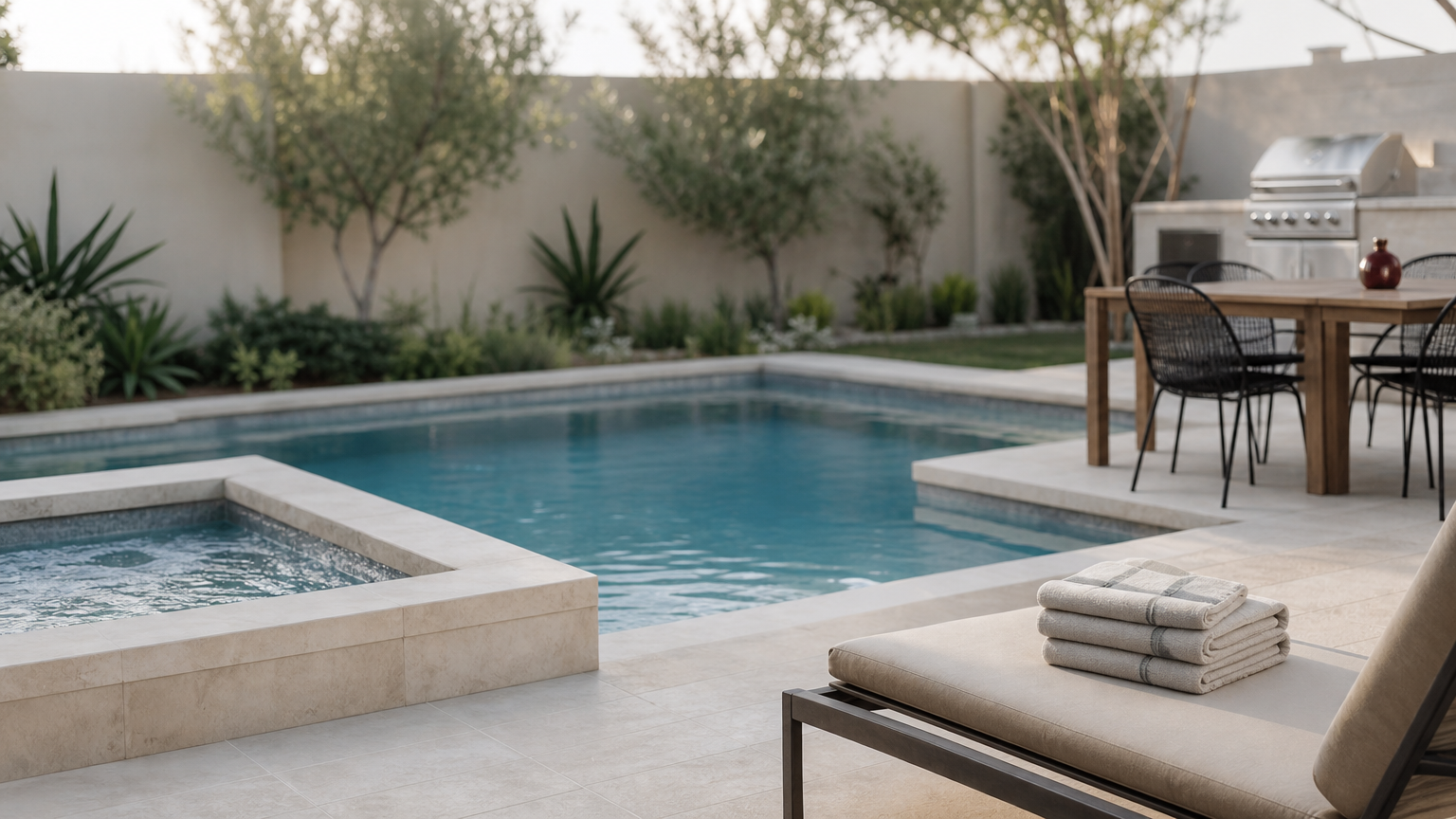
Backyard and pool rentals let homeowners rent outdoor space by the hour, and they are the cheapest private option for a casual warm-weather party. The pool or hot tub carries the whole event, so the guest list stays small.
How it works
Search for pools, hot tubs, backyards and private homes on a peer-to-peer space marketplace. Each listing shows the capacity, the hourly rate and the amenities, such as a heated pool, patio, grill or playground. Hosts set their own rules, so read each listing page carefully.
Seasons matter. Some pools close for the winter while the hot tub or spa stays open, and a good listing says so clearly.
Pricing and house rules
In sample listings, hot tubs and small spas start near $30 to $75 an hour. Larger pools with patios run closer to $100 to $150 an hour. Capacity is usually small, often 5 to 50 guests. Check these rules:
- Swim waiver, supervision rules for children and no-glass policies
- Towels: provided or bring your own
- Whether the pool is heated and open on your date
- The host’s cancellation policy, since each host sets it and many allow cancellation up to 24 hours ahead
A pool party lives or dies on the guest cap and the water temperature, so confirm both.
Who it suits
Kids’ birthday swims, bachelorette afternoons and small friend gatherings fit this type. Cost per guest stays low because you only pay for the hours you use.
Skip it for formal dinners, big groups or evening events in cool weather. Without indoor space, a cold night ends the party early.
5. Restaurant and bar private rooms
A private room in a restaurant, bar or brewery is the easiest way to host with no cooking or cleanup. The venue provides the space, the staff and the menu, and you provide the guest list.
How it works
Call or email venues and ask about private room availability, capacity and menu packages. Some list an hourly room rate, but many quote a food and beverage minimum instead. Visit in person if you can, since sound levels and layout matter more than photos suggest.
Ask for a written quote showing the room fee, the minimum spend and all service charges.
Pricing and house rules
You will see one of two models: a flat room fee or a minimum spend that your food and drinks must reach. Per-person menus are common for groups of 20 or more. Service charges and gratuity are often added on top, so get the total in writing. Ask about:
- A headcount deadline and what happens if guests drop out
- Whether outside food, cakes or decorations are allowed
- The hard end time for the room
- The deposit amount and how it is refunded
The minimum spend is the real price of a restaurant room, so ask for it before the room rate.
Who it suits
Dinner parties, milestone birthdays and work celebrations of 20 to 60 guests fit this type. You get service, a bar and a kitchen without hiring anyone.
It is a poor fit if you want your own caterer, DJ or all-night party. The venue controls the menu and the closing time.
6. Event halls and loft venues
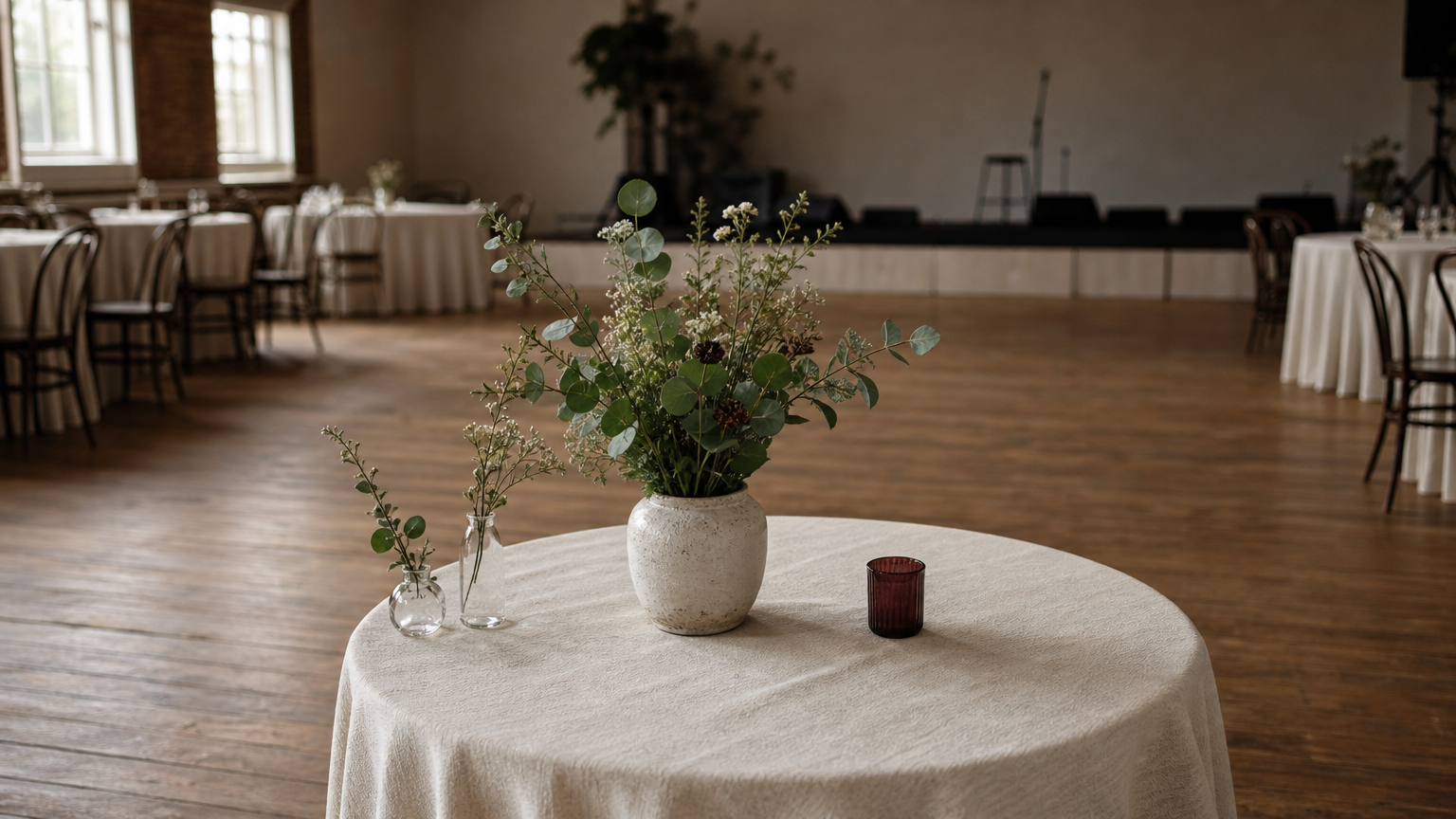
Event halls, lofts and banquet spaces are built for large parties and priced by the event. They suit groups of 50 or more, where a house would be too small.
How it works
Browse event venue directories or local listings, then request quotes from three or four venues for the same date and guest count. Tour the space before paying a deposit. Look at the load-in route, the restrooms, the parking and how the room feels at your event’s time of day.
Many halls include tables, chairs and a sound system. That can offset a higher base price.
Pricing and house rules
Halls quote per event, usually from the high hundreds to several thousand dollars, depending on capacity, day of the week and hours. Friday and Saturday evenings cost the most. Weekday and daytime events are often discounted. Check these points:
- Whether the venue requires its own caterer or bar service
- Alcohol license rules and who provides security
- Overtime fees and the hard end time
- Security deposit terms and a damage clause
- Setup and cleanup time included in the price
Event halls are cheapest on weekdays and daytimes, so move the date if you can.
Who it suits
Graduations, anniversaries, retirement parties and corporate events of 50 to 200 or more guests fit here. The space handles a crowd comfortably, with room for a dance floor or a stage.
It is overkill for a gathering of 20. A half-empty hall feels flat, and you still pay for the full room.
7. City parks and community facilities
City and community facilities are usually the cheapest place to have a party, and they work well for daytime events. Parks and recreation departments, community halls and some public pools rent space for private parties.
How it works
Check your city or county parks department website, or call the recreation office. You reserve a picnic shelter, hall or pool time slot for a set block of hours. Many departments book weeks or months ahead, and popular summer weekends fill first.
Some pools and recreation centers run birthday party packages. They include lifeguards and set time slots, which removes much of the planning.
Pricing and house rules
Fees are flat or hourly and often discounted for residents, usually a fraction of what a private hall costs. Rules are stricter than at private venues. Check:
- Alcohol, which is often banned or needs a permit
- Decoration limits, such as no balloons on fences or no tape on walls
- The firm start and end times, with cleanup included
- The deposit and any insurance requirement for larger groups
- Maximum headcount, set by the room or shelter
City facilities win on price and lose on flexibility, so book early and read the rules twice.
Who it suits
Children’s birthdays, graduation picnics and family gatherings on a tight budget fit well. You get a safe, simple venue with little markup.
Skip it if you need alcohol, late hours, music or an overnight stay. Those are the exact things public facilities restrict.
How to compare quotes and house rules
To compare party house rentals fairly, convert every quote into a total price for your whole event, then divide by guests. Then check the house rules, because a cheap rate with strict rules often costs more in the end.
Compare total cost, not the headline rate
This table shows how each type is priced and what to add on top.
| Rental type | How it is priced | Fees to add | Typical guest count |
|---|---|---|---|
| Luxury estate | By the stay | Taxes, any listed fees | Overnight groups |
| Vacation rental allowing events | Per night | Cleaning, service fee, taxes, deposit | Overnight groups |
| Hourly marketplace space | Per hour, minimum hours | Cleaning, service fee, insurance | 15 to 80 |
| Backyard or pool | Per hour | Add-ons, extra guests | Usually under 50 |
| Restaurant or bar room | Room fee or minimum spend | Service charge, gratuity | 20 to 60 |
| Event hall | Per event | Deposit, overtime, required vendors | 50 to 200+ |
| City facility | Flat or hourly | Deposit, permit | Small to mid-size groups |
Here is a worked example with assumed figures. An hourly listing charges $120 an hour. Your party runs four hours, but you add one hour for setup and one for cleanup, so you book six hours: $720. Add a $75 cleaning fee for $795, then a 10% service fee of $79.50. The total is $874.50, not the $480 you would get by multiplying the rate by four hours. That is about 82% more. With 40 guests, it works out to about $22 per guest.
Ask these house-rule questions first
Rules decide whether a booking holds up on the day. Ask each host these before you pay:
- Are parties allowed, and what is the guest cap, including day visitors?
- What are the quiet hours and music rules?
- Are alcohol, outside catering and a DJ allowed?
- Which fees apply: cleaning, deposit, insurance, overtime?
- What is the cancellation policy?
You can copy this message and fill in the brackets:
Hi [Host name],

I'm planning a [birthday / anniversary / reunion] on [date] for about [number] guests, from [start time] to [end time]. Before I book, can you confirm:

1. Are parties allowed, and what is the maximum number of guests, including day visitors?
2. What are the quiet hours and music rules?
3. Are alcohol, outside catering or a DJ allowed?
4. Which fees apply on top of the rate (cleaning, deposit, insurance, overtime)?
5. What is the cancellation policy?

Thanks,
[Your name]
Keep the host’s reply in writing and save it with your booking confirmation. If a rule is not in the listing, a written answer is your protection.
Get every rule in writing before you pay, because a verbal yes does not survive a neighbor’s complaint.
Pick the rental that fits your guest list
Start with your guest count and whether people need beds. Overnight groups belong in a luxury estate or an event-friendly vacation rental. Parties of 15 to 80 fit hourly spaces, and larger crowds need a hall. Budget parties belong in a city facility, and dinners belong in a restaurant room. Whatever you choose, compare the total price for your whole event and get the house rules in writing.
If your party is also a stay, with a pool, a hot tub, room to sleep a large group and red rock views, you can check dates and book direct at The Sanctuary at Sacred Mesa.